กกร. ร่วมประชุมหารือกับคณะกรรมาธิการการต่างประเทศสภาผู้แทนราษฎร เพื่อพิจารณาศึกษาผลกระทบของข้อตกลงการค้าไทย-สหรัฐอเมริกา

ข่าวกิจกรรม

กกร. ร่วมประชุมหารือกับคณะกรรมาธิการการต่างประเทศสภาผู้แทนราษฎร เพื่อพิจารณาศึกษาผลกระทบของข้อตกลงการค้าไทย-สหรัฐอเมริกา

 
M
JSCCIBJOINT STANDING COMMITTEE ON COMMERCE, INDUSTRY AND BANKING
NEWS ARTICLE / NOV 2026
 
ข่าวกิจกรรม

กกร. ร่วมประชุมหารือกับคณะกรรมาธิการการต่างประเทศสภาผู้แทนราษฎร เพื่อพิจารณาศึกษาผลกระทบของข้อตกลงการค้าไทย-สหรัฐอเมริกา

ข่าวกิจกรรม18 พฤศจิกายน 2569•ภาษาไทย / English

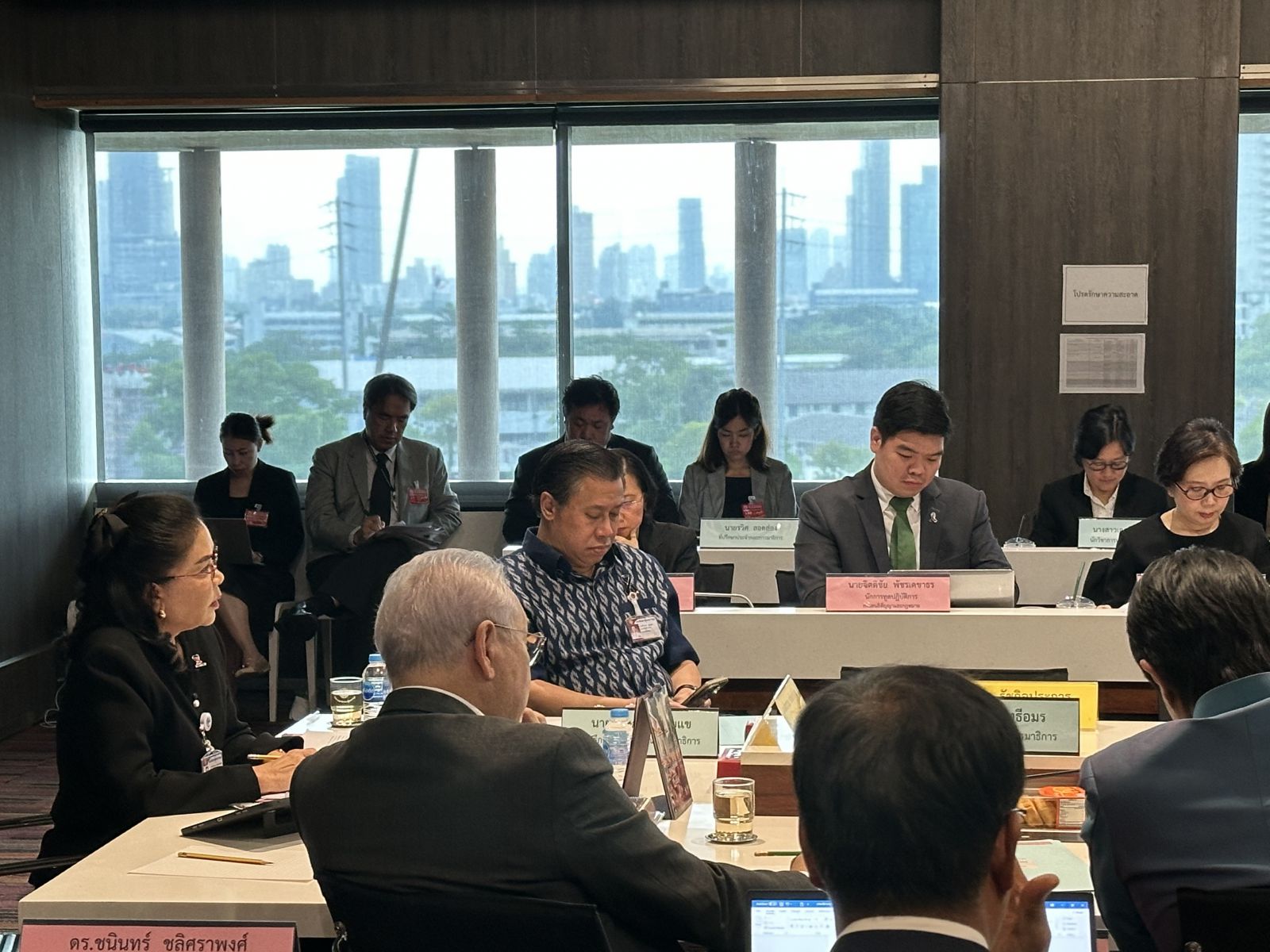
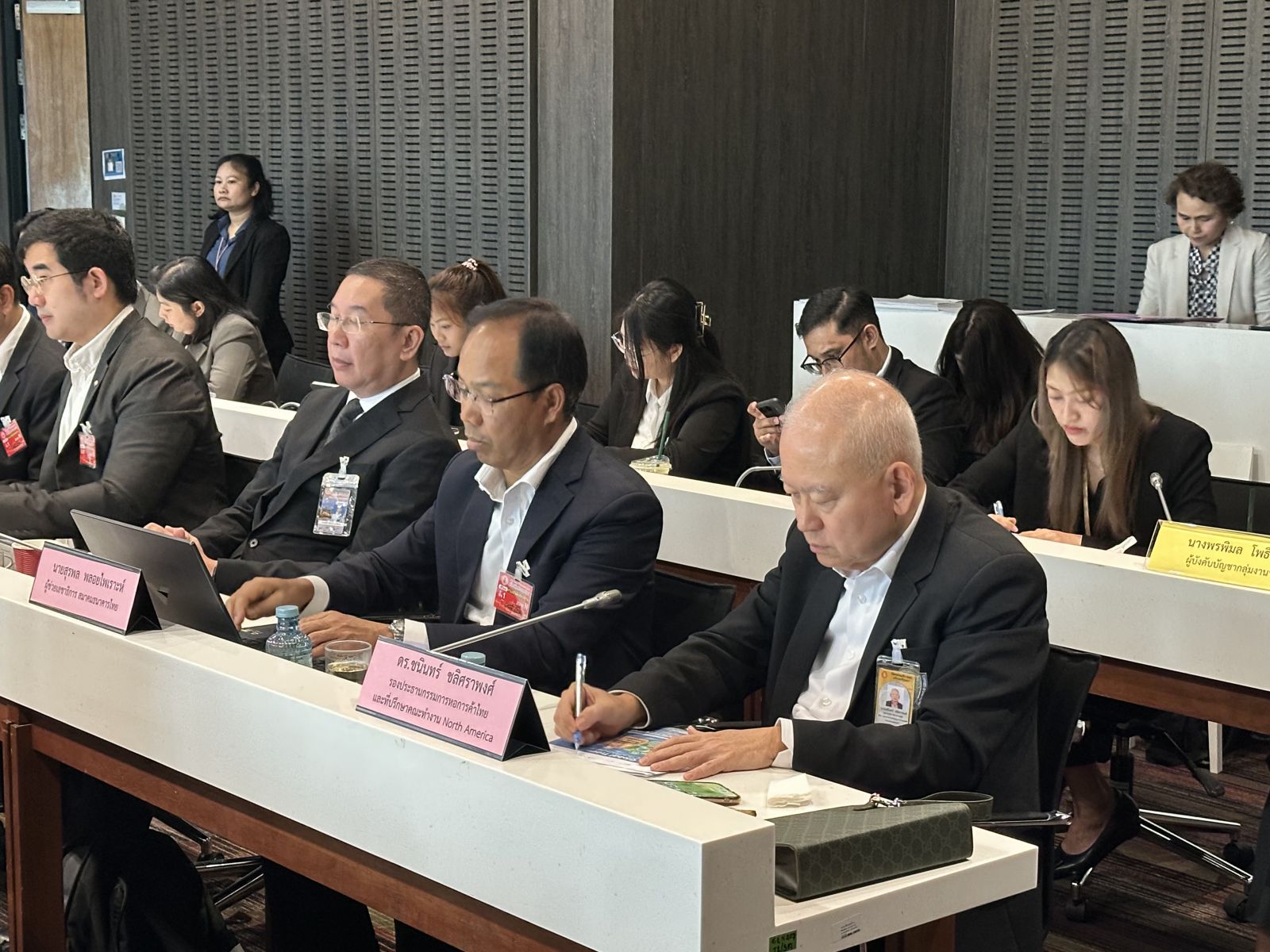
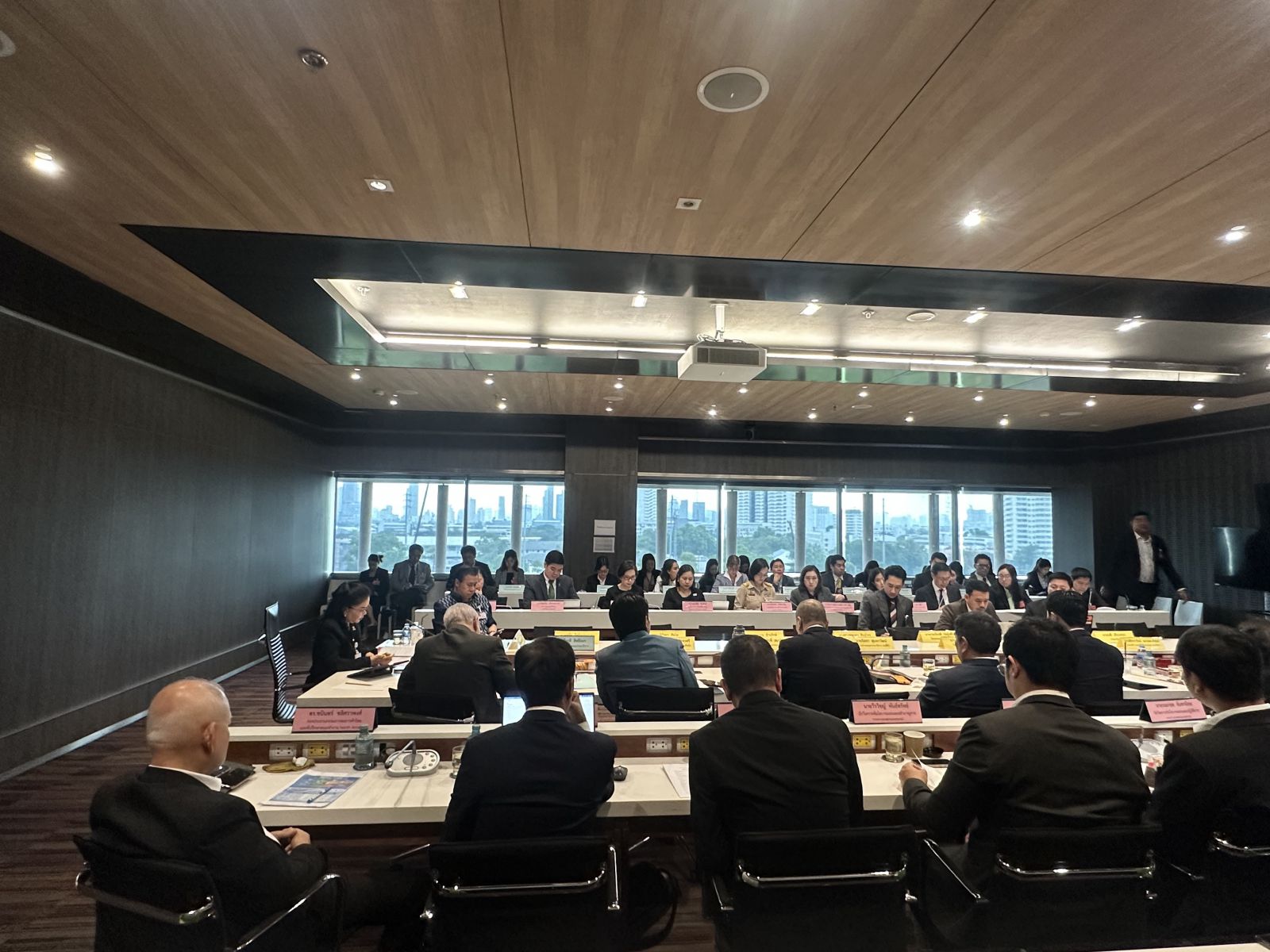
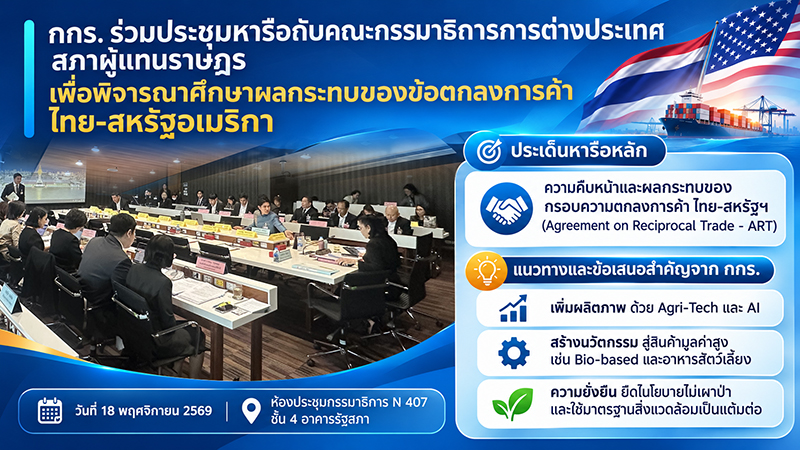
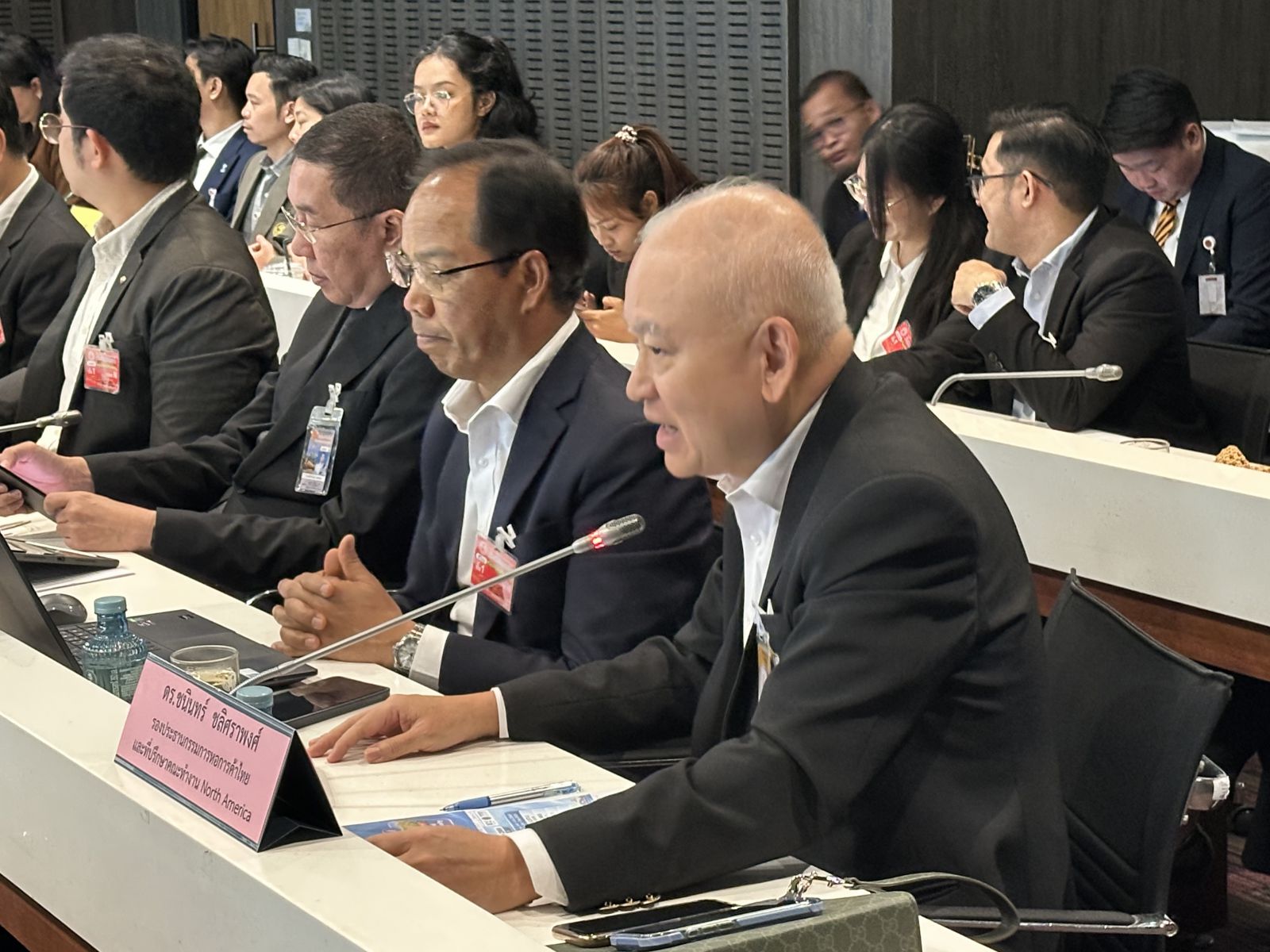
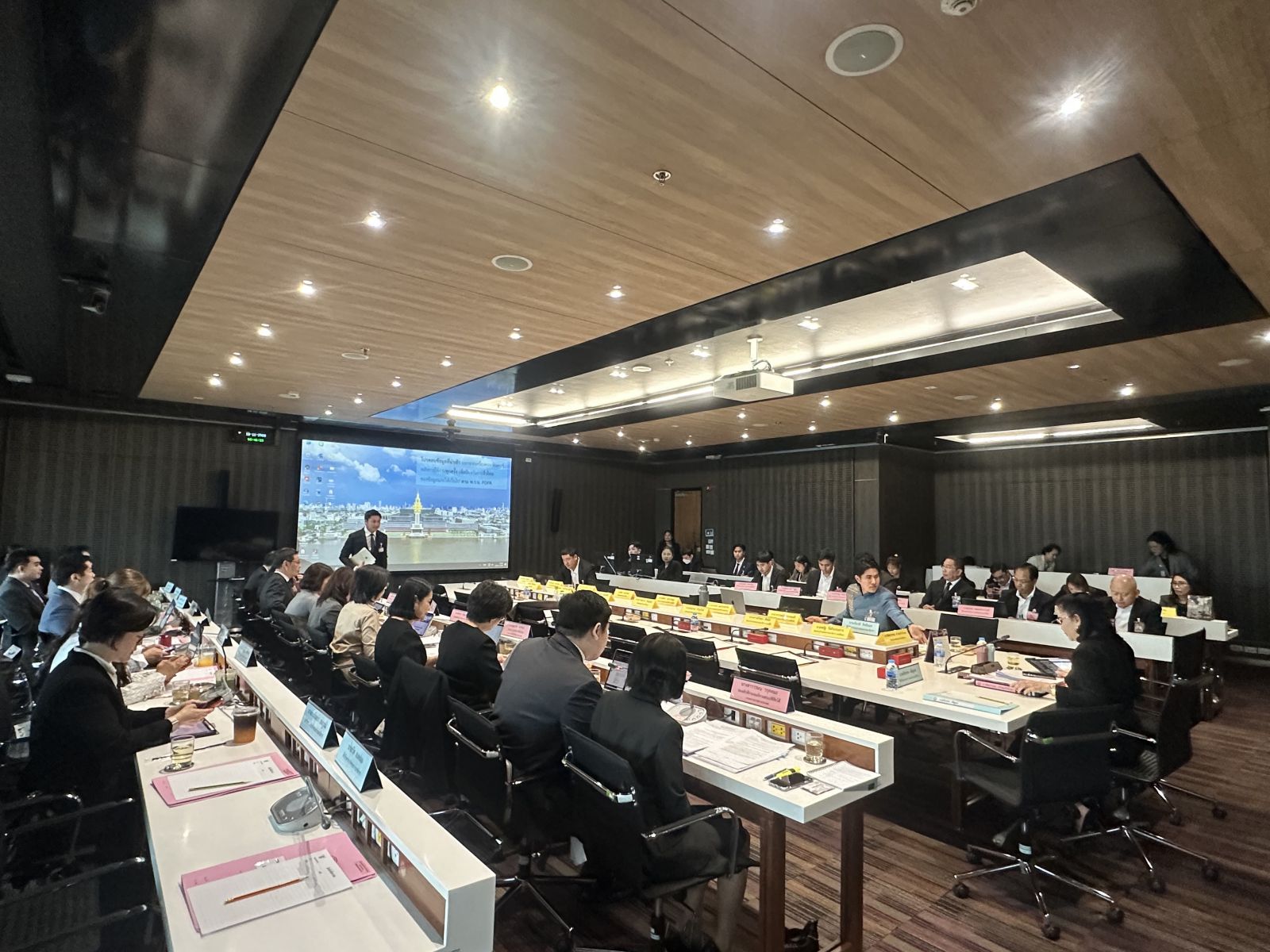
วันที่ 18 พฤศจิกายน 2569 ผู้แทนคณะกรรมการร่วมภาคเอกชน 3 สถาบัน (กกร.) ได้แก่ ดร.ชนินทร์ ชลิศราพงศ์ รองประธานกรรมการหอการค้าไทย และ คุณสุรพล พลอยไพเราะห์ ผู้ช่วยเลขาธิการสมาคมธนาคารไทย เข้าร่วมการประชุมหารือกับคณะกรรมาธิการการต่างประเทศสภาผู้แทนราษฎร โดยมีนางจิตรวรรณ หวังศุภกิจโกศล ประธานคณะกรรมาธิการการต่างประเทศ เป็นประธาน ณ ห้องประชุมกรรมาธิการ N 407 ชั้น 4 อาคารรัฐสภา

การประชุมมีวัตถุประสงค์เพื่อพิจารณาความคืบหน้าและผลกระทบของกรอบความตกลงการค้า ไทย-สหรัฐฯ (Agreement on Reciprocal Trade - ART) ภายหลังนายกรัฐมนตรีได้ลงนามในแถลงการณ์ร่วม (Joint Statement) โดยกระทรวงการต่างประเทศ และกรมเจรจาการค้าระหว่างประเทศ ชี้แจงว่า แถลงการณ์ร่วมดังกล่าวเป็นการประกาศข้อสรุปในสาระสำคัญที่ยังไม่มีผลผูกพันทางกฎหมาย และความตกลงจะมีผลบังคับใช้ได้ก็ต่อเมื่อผ่านกระบวนการภายในและการพิจารณาเห็นชอบจากรัฐสภาแล้วเท่านั้นทั้งนี้ การเจรจามุ่งเน้นการรักษาระดับอัตราภาษีและขีดความสามารถในการแข่งขันไม่ให้เสียเปรียบประเทศเพื่อนบ้านในอาเซียน

กรมการค้าต่างประเทศและกรมศุลกากรระบุถึงการแก้ต่างข้อกล่าวหาเรื่องแรงงานบังคับและกำลังการผลิตส่วนเกิน พร้อมทั้งวางมาตรการเข้มงวดในการสกัดกั้นการสวมสิทธิถิ่นกำเนิดสินค้าและการลักลอบส่งต่อ ด้านสำนักงานเศรษฐกิจการคลัง (สศค.) และกรมศุลกากรประเมินว่า การลดภาษีนำเข้าให้แก่สหรัฐฯ อาจทำให้รัฐสูญเสียรายได้ราว 7,000–8,000 ล้านบาทต่อปี แต่จะชดเชยได้จากการขยายตัวของการลงทุนภาคเอกชนและการจัดเก็บอากรสินค้าพัสดุด่วน ขณะที่กระทรวงเกษตรและสหกรณ์ย้ำหลักการปกป้องเกษตรกร การคงมาตรการสุขอนามัยพืชและสัตว์ตามหลักวิทยาศาสตร์ และการผลักดันกองทุน FTA เพื่อเยียวยาผู้ได้รับผลกระทบ

ดร.ชนินทร์ ชลิศราพงศ์ รองประธานกรรมการหอการค้าไทย ชี้ให้เห็นว่า โลกกำลังเผชิญกับวิกฤตความไม่มั่นคง 4 ด้านอย่างถาวร ทั้งดิจิทัล สภาพภูมิอากาศ พลังงาน และอาหาร ทำให้การเปิดเสรีการค้าและการเชื่อมโยงกับโลกเป็นสิ่งจำเป็นที่หลีกเลี่ยงไม่ได้ โดยเสนอว่าการเปิดเสรีต้องไม่มองเพียงการลดภาษีเพื่อเปิดตลาด (Market Access) เท่านั้น แต่ต้องใช้เป็นสะพานดึงดูดเทคโนโลยีและการร่วมทุนวิจัย ภายใต้ 3 เสาหลักสำคัญ ได้แก่ 1) การเพิ่มผลิตภาพ ด้วย Agri-Tech และ AI เพื่อแก้ปัญหาผลผลิตต่อไร่ที่ต่ำ 2) การสร้างนวัตกรรม เปลี่ยนผ่านจากการผลิตสินค้าขั้นปฐมภูมิไปสู่สินค้ามูลค่าสูง เช่น ผลิตภัณฑ์ชีวภาพ (Bio-based) และอาหารสัตว์เลี้ยง และ 3) ความยั่งยืน ยึดนโยบายไม่ยอมรับการเผาป่า โดยมองว่ามาตรฐานสิ่งแวดล้อมคือมูลค่าเพิ่มที่สร้างแต้มต่อในตลาดโลก ไม่ใช่ภาระต้นทุน

ในประเด็นการค้ากับสหรัฐฯ ดร.ชนินทร์ ชี้แจงข้อเท็จจริงว่า ตัวเลขดุลการค้าที่ไทยได้เปรียบสหรัฐฯ กว่า 90% มาจากสินค้าอุตสาหกรรมและเทคโนโลยีของบริษัทข้ามชาติ ซึ่งตกถึงคนไทยจริงเพียง 20–25% ขณะที่สินค้าเกษตรและอาหารได้ดุลเพียง 3,000 กว่าล้านดอลลาร์สหรัฐ จึงเสนอให้แยกเจรจาสินค้าเกษตรและอาหารต่างหาก พร้อมเปิดรับนำเข้าวัตถุดิบและเครื่องจักรที่จำเป็น นอกจากนี้ ประเมินว่าผลประโยชน์ทางเศรษฐกิจจากการค้าและการลงทุนที่จะหมุนเวียนกลับมากว่า 2 ล้านล้านบาทต่อปีนั้นคุ้มค่ากว่ารายได้ภาษี 7,000–8,000 ล้านบาทที่รัฐต้องสูญเสีย แต่สิ่งสำคัญที่สุดที่รัฐบาลต้องต่อรองให้สำเร็จคือ การกำหนดสัดส่วนวัตถุดิบในประเทศ เพื่อให้เกษตรกรและผู้ประกอบการ SME ไทยได้รับประโยชน์อย่างแท้จริง

ในการนี้ คณะกรรมาธิการได้ตั้งข้อสังเกตและแสดงความกังวลต่อผลกระทบที่จะเกิดขึ้นกับเกษตรกรในประเทศ รวมถึงความไม่แน่นอนของกระบวนการทางกฎหมายในการเมืองภายในสหรัฐฯ และความเสี่ยงจากการถูกควบคุมการส่งออกไมโครชิป
JSCCIB Participates in a Meeting with the House of Representatives’ Committee on Foreign Affairs to Discuss the Implications of the Thailand–United States Trade Agreement

On 18 November 2026, representatives of the Joint Standing Committee on Commerce, Industry and Banking (JSCCIB), namely Dr. Chanin Chalisarapong, Vice Chairman of the Thai Chamber of Commerce, and Mr. Suraphon Ploypairoh, Assistant Secretary-General of the Thai Bankers’ Association, attended a meeting with the House of Representatives’ Committee on Foreign Affairs. The meeting was chaired by Ms. Jitrawan Wangsuppakitkosol, Chairperson of the Committee on Foreign Affairs, and held at Meeting Room N 407, 4th Floor, Parliament Building.

The meeting aimed to review the progress and assess the potential implications of the Thailand–United States Agreement on Reciprocal Trade (ART), following the Prime Minister’s signing of the Joint Statement. The Ministry of Foreign Affairs and the Department of Trade Negotiations clarified that the Joint Statement represents an announcement of the substantive conclusions reached in the negotiations but does not yet constitute a legally binding agreement. The agreement will only take effect upon completion of the relevant domestic procedures and approval by Parliament. The negotiations have focused on maintaining tariff rates and safeguarding Thailand’s competitiveness to ensure that the country is not placed at a disadvantage compared with other ASEAN countries.

The Department of Foreign Trade and the Customs Department addressed allegations concerning forced labour and excess production capacity, while outlining stringent measures to prevent the circumvention of rules of origin and the illegal transshipment of goods. Meanwhile, the Fiscal Policy Office and the Customs Department estimated that reducing import tariffs on US goods could result in a loss of government revenue of approximately THB 7–8 billion annually. However, this could be offset by increased private-sector investment and revenue from the collection of import duties on express parcels. The Ministry of Agriculture and Cooperatives reaffirmed its commitment to protecting domestic farmers, maintaining science-based sanitary and phytosanitary (SPS) measures, and advancing the establishment of an FTA Fund to provide assistance to those adversely affected by trade liberalisation.

Dr. Chanin Chalisarapong, Vice Chairman of the Thai Chamber of Commerce, highlighted that the world is facing four enduring dimensions of insecurity: digital, climate, energy, and food security. Against this backdrop, trade liberalisation and greater global connectivity have become essential and unavoidable. He emphasised that trade liberalisation should go beyond tariff reductions and market access, and instead serve as a strategic bridge for attracting technology, investment, and joint research and development. He proposed three key pillars for enhancing Thailand’s competitiveness:

Enhancing Productivity: Promoting the adoption of agricultural technology (Agri-Tech) and artificial intelligence (AI) to address persistently low agricultural yields per rai.

Fostering Innovation: Moving beyond primary commodity production towards higher-value-added products, such as bio-based products and pet food.

Promoting Sustainability: Upholding a no-burning policy, while recognising that environmental standards should be viewed as a source of added value and a competitive advantage in global markets, rather than merely an additional cost burden.

With regard to trade relations with the United States, Dr. Chanin clarified that more than 90% of Thailand’s reported trade surplus with the US is attributable to industrial and technology products produced by multinational corporations, with only approximately 20–25% of the benefits actually accruing to Thai businesses and the domestic economy. Meanwhile, Thailand’s trade surplus in agricultural and food products amounts to just over USD 3 billion. He therefore proposed that agricultural and food products be negotiated separately, while allowing for the importation of essential raw materials and machinery.

He further noted that the estimated economic benefits arising from trade and investment, which could generate more than THB 2 trillion in annual economic circulation, would outweigh the government revenue losses of THB 7–8 billion resulting from tariff reductions. Nevertheless, he stressed that the most critical issue for the Government to secure in the negotiations is the establishment of domestic content requirements to ensure that Thai farmers and SMEs genuinely benefit from the agreement.

During the meeting, the Committee on Foreign Affairs also raised observations and expressed concerns regarding the potential impact on domestic farmers, uncertainties surrounding the legal process and domestic political developments in the United States, as well as the risks associated with potential export controls on microchips.

JOINT STANDING COMMITTEE ON COMMERCE, INDUSTRY AND BANKING (JSCCIB)